
Master Your Nutrition Journey
Discover evidence-based dietary principles and best practices designed to help you make informed food choices. Our comprehensive guide covers everything from macronutrient balance to meal planning strategies that fit your lifestyle.
The information on this site is for educational purposes only and does not constitute medical advice. Always consult a qualified healthcare professional before making health decisions.
Core Principles of Healthy Eating
The foundation of sustainable dietary habits rests on six core principles that guide evidence-based nutrition recommendations.
Macronutrient Balance
Achieving the right proportion of carbohydrates, proteins, and fats is essential for sustained energy, muscle health, and metabolic function. A balanced approach considers individual activity levels and lifestyle factors.
Whole Food Priority
Prioritising whole, minimally processed foods—fruits, vegetables, whole grains, legumes, and quality proteins—provides essential micronutrients and fibre that processed alternatives cannot fully replicate.
Hydration Fundamentals
Consistent water intake supports digestion, nutrient absorption, temperature regulation, and cognitive function. Individual needs vary based on activity level, climate, and metabolic factors.
Meal Timing & Frequency
Strategic meal timing can optimise energy levels and metabolic response. Whether three square meals or smaller frequent meals works best depends on individual preferences and daily schedules.
Micronutrient Diversity
Vitamins, minerals, and phytonutrients from varied food sources support immune function, bone health, and cellular repair. A rainbow approach to vegetables and fruits ensures broad nutrient coverage.
Lifestyle Integration
Sustainable dietary changes require alignment with your daily routine, cultural preferences, and personal food relationships. Rigid approaches often fail; flexibility and adaptation drive long-term success.

Understanding Macronutrients
Macronutrients—carbohydrates, proteins, and fats—are the primary energy sources your body relies on. Each plays a distinct role in maintaining health and supporting physical performance.
Carbohydrates
Your primary fuel source for brain and muscle activity. Focus on complex carbohydrates—whole grains, legumes, vegetables—that provide sustained energy and fibre for digestive health.
Proteins
Essential for muscle repair, immune function, and hormone production. Variety matters—combine animal sources (meat, fish, dairy, eggs) with plant-based options (legumes, nuts, seeds) for complete amino acid profiles.
Fats
Critical for hormone synthesis, nutrient absorption, and brain health. Prioritise unsaturated fats from sources like olive oil, avocados, fatty fish, and nuts while moderating saturated fat intake.
Practical Dietary Guidelines
Evidence-based recommendations for building sustainable eating patterns that support your overall wellbeing and fitness goals.
Fill Half Your Plate with Vegetables
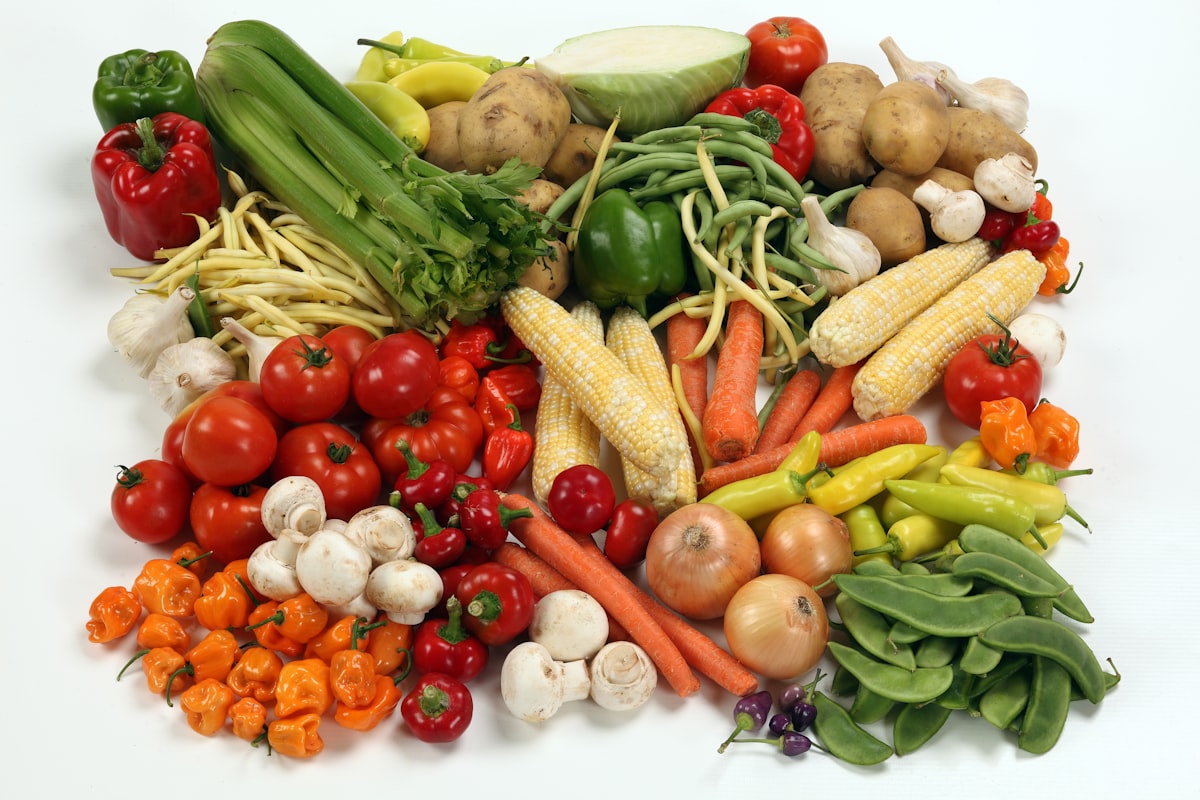
Vegetables provide fibre, vitamins, minerals, and phytonutrients with minimal calories. Aim for variety across colours—leafy greens, cruciferous vegetables, orange and red varieties—to ensure broad nutrient intake. Include both raw and cooked preparations for maximum nutrient availability.
Choose Whole Grains Over Refined
Whole grains retain their bran, germ, and endosperm, providing sustained energy release and digestive benefits. Replace white bread, white rice, and refined pasta with wholemeal, brown rice, and wholegrain alternatives to improve satiety and nutrient density.
Include Lean Protein at Each Meal
Protein supports muscle maintenance, satiety, and metabolic function. Include sources like poultry, fish, eggs, legumes, and dairy at each meal. Aim for variety to obtain different micronutrient profiles—fatty fish provides omega-3s, beans provide iron and fibre.
Moderate Your Portion Sizes
Portion awareness supports healthy energy balance without requiring strict calorie counting. Use visual guides—a palm-sized portion of protein, a fist of grains, a thumb of fats. Eating slowly and mindfully helps recognise fullness cues and prevents overconsumption.
Limit Ultra-Processed Foods
Ultra-processed items high in added sugars, sodium, and unhealthy fats contribute to poor health outcomes. Read labels carefully, watch for hidden sugars in seemingly healthy products, and prepare more meals at home where you control ingredients and cooking methods.
Prioritise Consistent Hydration
Water supports every physiological process. Drink consistently throughout the day—most people benefit from 6-8 glasses daily, though individual needs vary based on activity and climate. Replace sugary drinks with water, herbal tea, or naturally flavoured options.
Your 5-Step Wellness Framework
A practical approach to building sustainable dietary habits and integrating better nutrition into your daily life.
Assess Your Current Eating Patterns
Begin by tracking what you typically eat for 3-5 days without judgment. Notice patterns—when you eat, what triggers cravings, how different foods affect your energy. This awareness reveals gaps and opportunities for improvement without requiring immediate changes.
Set Realistic, Specific Goals
Rather than vague intentions, identify concrete targets: "Add one vegetable to lunch daily" or "Replace sugary drinks with water on weekdays." Small, measurable goals are more achievable and build momentum towards larger lifestyle changes.
Plan Your Meals Strategically
Weekly meal planning prevents reliance on convenience foods and ensures balanced nutrition. Prepare a basic shopping list aligned with your goals, batch cook proteins and grains on weekends, and keep healthy snacks accessible. Planning reduces decision fatigue and improves adherence.
Build Sustainable Food Relationships
Avoid restrictive thinking—all foods can fit within a balanced approach. Enjoy foods you love in appropriate portions rather than eliminating entire categories. This flexible mindset prevents binge-restrict cycles and supports long-term adherence.
Monitor Progress and Adapt
Review your progress every 4-6 weeks. How do you feel energetically? Has your focus improved? Are your initial goals being met? Use feedback to refine your approach—what works for others may need adjustment for your unique lifestyle and preferences.
Common Dietary Questions
Answers to frequently asked questions about nutrition, meal planning, and sustainable healthy eating practices.
Daily calorie needs depend on age, sex, activity level, and metabolism. A rough estimate uses the Harris-Benedict equation or simpler multipliers (e.g., 14-16 calories per pound of body weight for moderate activity). However, these are starting points—adjust based on how you feel and your progress. Some people thrive with detailed tracking; others succeed with intuitive portion guidance. Experiment to find your approach.
Success Stories from Our Community
Real experiences from people who've incorporated our guidelines into their daily lives and discovered lasting improvements.
"The guidelines transformed how I approach meals. I feel more energetic and my digestion improved within weeks. Highly recommend!"
Sarah Mitchell
Marketing Professional
"As a busy parent, I needed simple, practical advice. These habits fit seamlessly into my family's routine. We're all healthier now."
James Rodriguez
Father of Three
"I've tried countless diet trends. These evidence-based habits actually stick because they're sustainable and not restrictive."
Emily Chen
Fitness Enthusiast
Frequently Asked Questions
Find answers to common questions about building healthy food habits.
Most people notice initial improvements within 2-3 weeks, such as better energy levels and improved digestion. However, lasting habit formation typically takes 30-66 days depending on individual circumstances. The key is consistency over perfection.
Yes! Our guidelines are flexible and can be adapted to vegan, vegetarian, keto, Mediterranean, and other dietary patterns. The core principles focus on whole foods, balanced nutrition, and mindful eating—which work across all preferences.
Our approach emphasizes eating whole foods and listening to your body's hunger cues over rigorous counting. While some people benefit from tracking, it's not mandatory. The focus is on building sustainable habits rather than following strict protocols.
Our guidelines are general recommendations. If you have specific health conditions, allergies, or take medications, please consult with your healthcare provider or a registered dietitian to personalize the approach for your situation.
Absolutely! Healthy eating isn't about deprivation. Our approach encourages balance and moderation. Enjoy the foods you love as part of an overall pattern of nutritious choices. It's about progress, not perfection.
Ready to Transform Your Health?
Join thousands who are building lasting healthy food habits. Start your journey today with evidence-based, practical guidance.
No credit card required. Access basic habits guide immediately.
HealthyFoodHabits
Building sustainable nutrition habits for lasting health and wellness.
Resources
© 2024 HealthyFoodHabits – VAT: GB913 9733 36. All rights reserved. Empowering better nutrition, one habit at a time.